To relieve financial hardship and advance the Islamic faith by providing financial assistance toward funeral and burial costs for deceased individuals
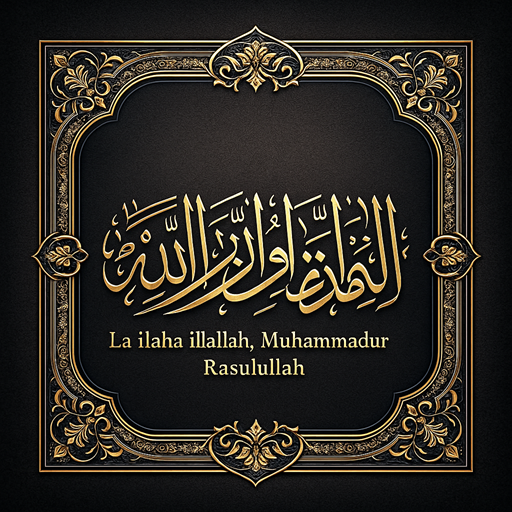
From Dunya to Akhirah: A Muslim’s Journey to Allah After Death
In Islam, death is not an end but a doorway from the temporary world (dunya) to the eternal Hereafter. When a Muslim dies, their soul is taken by the angels and enters Barzakh, a waiting stage in the grave where they are questioned about their Lord, their religion, and their Prophet. The righteous experience peace and comfort, while the rejecters of truth face regret. On the Day of Judgment, all are resurrected and judged with perfect justice, and believers hope to enter Jannah by Allah’s mercy. Remembering this journey encourages Muslims to live with faith, kindness, and constant awareness that “to Allah we belong and to Him we shall return.”
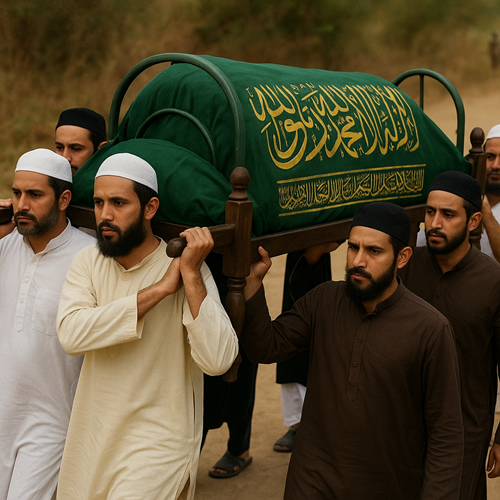
Du’a for the deceased during Salatul Janazah
اللَّهُمَّ عَبْدُكَ وَابْنُ أَمَتِكَ احْتَاجَ إِلَى رَحْمَتِكَ، وَأَنْتَ غَنِيٌّ عَنْ عَذَابِهِ، إِنْ كَانَ مُحْسِناً فَزِدْ فِي حَسَنَاتِهِ، وَإِنْ كَانَ مُسِيئاً فَتَجَاوَزْ عَنْهُ
Transliteration: Allahumma abduka wabnu amatika ihtaaja ila rahmatik wa anta ghaniyyun ‘an ‘adhaabih, in kaana muhsinan fazid fee hasanaatih, wa in kaana musee-an, fatajaawaz ‘anhu.
Translation: Oh Allah, this son of a servant of yours is now in need of Your mercy and You are not in need of punishing that person. If he was pious then increase his rewards, and if he was a transgressor then pardon him.
[Al-Hakim 1/359]
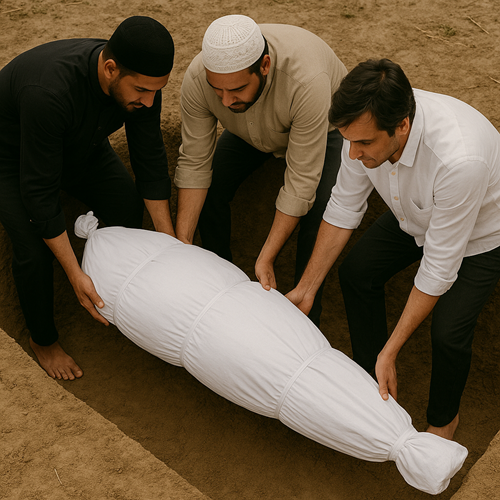
Du’a at the time of the funeral
اللهُـمِّ اغْفِـرْ لَهُ وَارْحَمْـه ، وَعافِهِ وَاعْفُ عَنْـه ، وَأَكْـرِمْ نُزُلَـه ، وَوَسِّـعْ مُدْخَـلَه ، وَاغْسِلْـهُ بِالْمـاءِ وَالثَّـلْجِ وَالْبَـرَدْ ، وَنَقِّـهِ مِنَ الْخطـايا كَما نَـقّيْتَ الـثَّوْبَ الأَبْيَـضَ مِنَ الدَّنَـسْ ، وَأَبْـدِلْهُ داراً خَـيْراً مِنْ دارِه ، وَأَهْلاً خَـيْراً مِنْ أَهْلِـه ، وَزَوْجَـاً خَـيْراً مِنْ زَوْجِه ، وَأَدْخِـلْهُ الْجَـنَّة ، وَأَعِـذْهُ مِنْ عَذابِ القَـبْر [وَعَذابِ النّـار]
Transliteration: Allāhumma’ghfir lahu warḥamh, wa `āfihi, wa`fu `anh, wa akrim nuzulah, wa wassi` mudkhalah, wagh’silhu bi ‘lmā’i wath-thalji walbarad, wa naqqihi mina ‘l-khaṭāyā kamā naqqaytath-thawba ‘l-abyaḍa minad-danas, wa abdilhu dāran khayran min dārih, wa ahlan khayran min ahlih, wa zawjan khayran min zawjih, wa adkhilhu ‘l-jannah, wa a`idhhu min `adhābi ‘l-qabri [wa `adhābin-nār].
Translation: O Allah, forgive him and have mercy on him, and give him strength and pardon him. Be generous to him, and enlarge his entrance (to his abode), and wash him with water and snow and hail. Cleanse him of his transgressions as white cloth is cleansed of stains. Give him an abode better than his home, and a family better than his family, and a wife better than his wife. Take him into Paradise, and protect him from the punishment of the grave [and from the punishment of Hell-fire].
[Muslim 3-598]
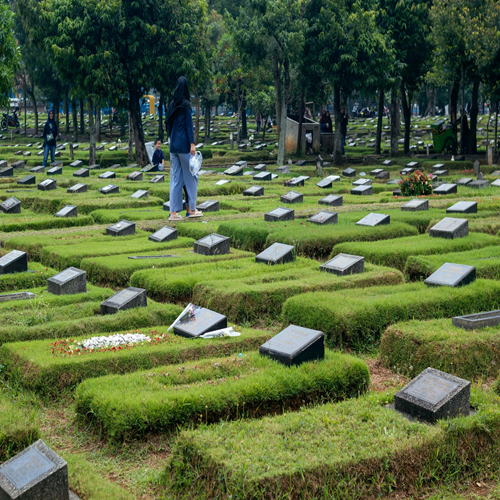
Du’a for the deceased after the burial
اللَّهُمَّ اغْفِرْ لَهُ الَّلهُمَّ ثَبِّتْهُ
Transliteration: Allaahum-maghfir lahu Allaahumma thabbithu
Translation: O Allah, forgive him. O Allah, strengthen him.
[Abu Dawud 3:315]